
If you are an unpaid carer in Scotland, you are legally entitled to a break. Not as a favour. Not as a reward for managing particularly well. As a right — enshrined in the Carers (Scotland) Act 2016, which requires local authorities to support carers in ways that protect their health and wellbeing. Yet many carers in Alloa and across Clackmannanshire have never been told this. And many who have been told still feel, somewhere deep down, that asking for a break means letting someone down.
Respite does not mean abandoning the person you care for. It means ensuring that you are not depleted to the point where you cannot continue caring at all. The research is unambiguous: carers who take regular breaks are less likely to experience burnout, depression, and physical health crises. A rested carer is a better carer. But more importantly, a rested carer is a person who deserves rest — full stop.
"A rested carer is a better carer. But more importantly, a rested carer is a person who deserves rest — full stop."
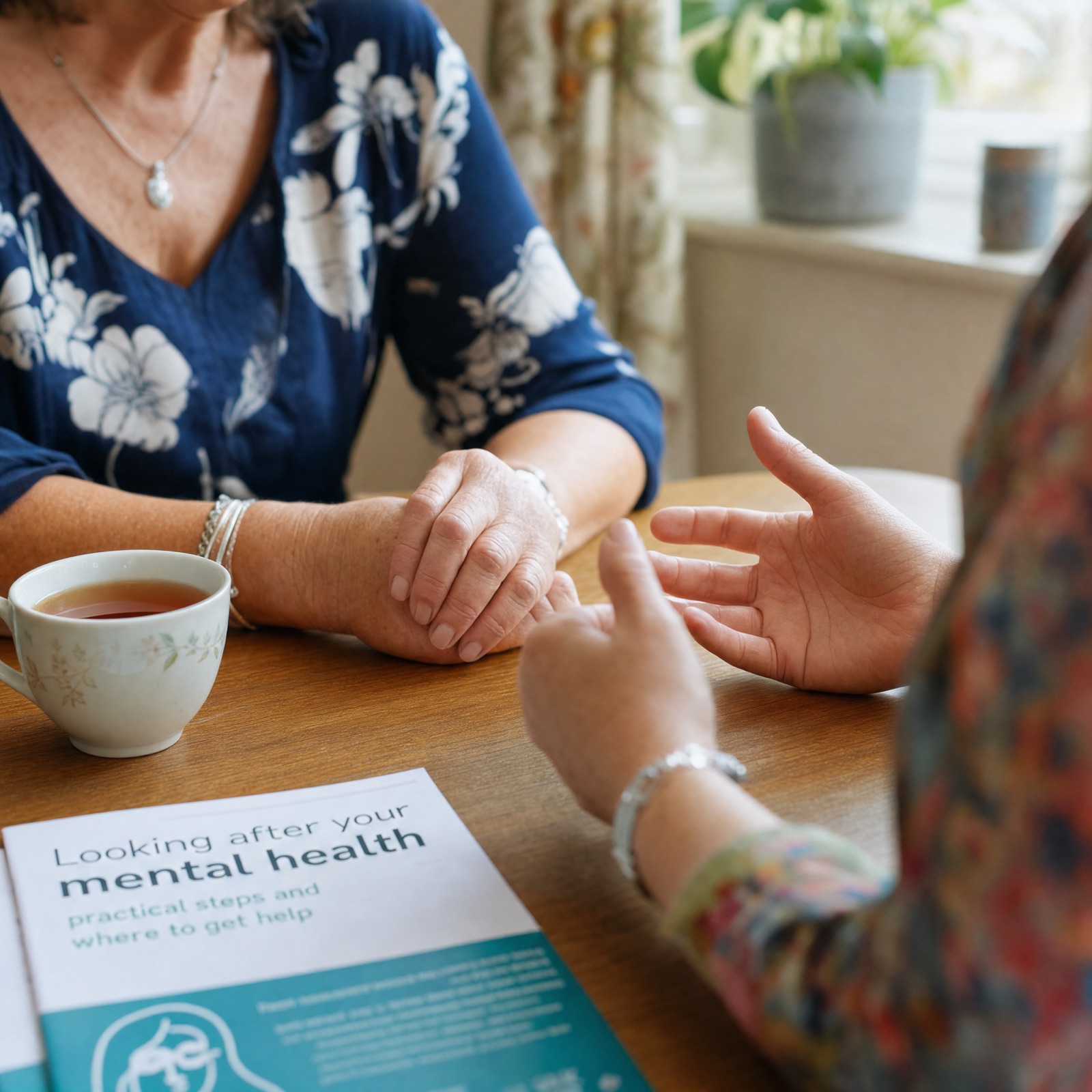
So how do you actually ask? The starting point is a Carer Support Plan, which you can request from Clackmannanshire Council's social work team. This is a structured conversation about your caring role, your own health needs, and what kind of support would make a difference. You do not need to prove you are struggling to access one. You simply need to be an unpaid carer. The plan can include a referral to short-break services, emergency planning, and access to support organisations like ours.
At Vibrant Health Advocates – Solenne, we can help you prepare for that conversation. We know the system can feel bureaucratic and slow, and we know that many carers have had the experience of asking for help and being sent in circles. Our team can sit with you, help you articulate what you need, and make sure you understand what you are entitled to before you walk into any meeting with statutory services. We can also connect you with our buddying scheme so that you have peer support throughout the process.
In practical terms, respite can look many different ways. It might be a few hours of replacement care each week so you can sleep, exercise, or simply sit quietly. It might be a short residential break for the person you care for while you recover at home. It might be emergency respite planned in advance so you know there is a safety net if you become unwell yourself. What it looks like matters less than the fact that it happens.
If you have been putting off asking — because you feel guilty, because you think others need support more, because the system has let you down before — please get in touch with us. You do not have to navigate this alone, and you do not have to earn the right to rest. You are already doing enough.